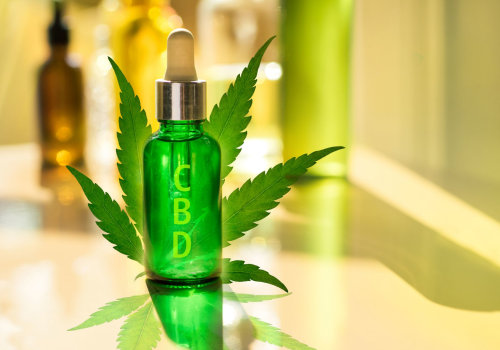
The Importance of Understanding CBD Product Labels and Ingredients
Understanding the Role of CBD Product Labeling
Cannabidiol (CBD) products have gained attention among consumers interested in exploring hemp-derived ingredients and their potential applications. However, understanding product labels is essential before purchasing or using CBD formulations. Labels provide information about cannabinoid concentrations, additional ingredients, serving sizes, and manufacturing details. Because CBD products vary significantly in composition and quality, consumers should carefully review packaging information rather than relying solely on promotional claims. Clear labeling supports informed purchasing decisions and helps individuals recognize important differences between available formulations.
Identifying CBD Concentrations and Cannabinoid Content
One important aspect of CBD labeling involves identifying the amount of cannabidiol present in each product. Manufacturers may list CBD concentrations in milligrams per container, serving, or individual unit. Consumers should distinguish between these measurements to avoid misunderstanding product strength. Labels may also identify full-spectrum, broad-spectrum, or CBD isolate formulations. Full-spectrum products can contain other cannabinoids, including tetrahydrocannabinol (THC), while broad-spectrum formulations are generally processed to reduce THC content. Understanding these distinctions helps consumers evaluate product composition and potential considerations.
Reviewing Additional Ingredients and Potential Allergens
CBD products may contain carrier oils, flavorings, preservatives, botanical extracts, and other ingredients that influence their characteristics. Common carrier oils include coconut-derived medium-chain triglyceride oil, hemp seed oil, and olive oil. Individuals with allergies or dietary restrictions should examine ingredient lists carefully to identify potentially unsuitable substances. Consumers researching retailers such as Sixtall Cannabis Delivery should also prioritize access to transparent product information, ingredient disclosures, and independent laboratory documentation where available. Reviewing these details can help distinguish clearly documented formulations from products with incomplete information.
Recognizing Laboratory Testing and Quality Standards
Independent laboratory testing is an important consideration when evaluating CBD product quality. Certificates of analysis may provide information about cannabinoid concentrations and potential contaminants, including pesticides, heavy metals, and residual solvents. Consumers should verify that testing documentation corresponds to the specific product batch. Inconsistent labeling or unavailable testing results may indicate a need for additional caution. Regulatory requirements also vary by location, making it important to understand applicable product safety and labeling standards.
Making Informed and Responsible Product Decisions
Understanding CBD labels involves evaluating ingredients, cannabinoid content, testing documentation, and manufacturer transparency. Consumers should remain cautious about unsupported health claims because CBD products are not universally approved to treat medical conditions. CBD may also cause side effects and interact with certain medications, making professional medical guidance valuable before use. By carefully reviewing product information and recognizing relevant safety considerations, individuals can make more informed decisions while prioritizing product quality, regulatory compliance, and personal well-being.