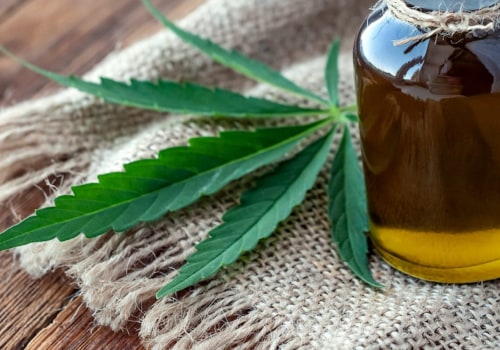
Cannabidiol, commonly known as CBD, has become increasingly popular in conversations about personal wellness, with products available in oils, capsules, topical preparations, beverages, and other forms. As individuals explore different options, it is important to recognize that CBD products can vary significantly in concentration, formulation, ingredients, and quality. CBD is a non-intoxicating cannabinoid, meaning it does not produce the same type of psychoactive effects associated with THC, but that does not mean it is completely risk-free. Personal wellness goals are also different for everyone. Some adults may be interested in CBD as part of a relaxation routine, while others may simply want to learn more about cannabinoids. Considering individual circumstances and maintaining realistic expectations can support more informed choices.
Considering Personal Wellness Goals
Before exploring CBD products, individuals can begin by identifying what they hope to accomplish. Personal goals might involve creating a calming routine, supporting general lifestyle balance, or simply experimenting with a new wellness product. However, CBD should not automatically be considered a treatment for specific medical or psychological conditions. Evidence regarding CBD varies depending on the intended use, and research continues to develop. Individuals experiencing persistent pain, significant stress, anxiety, sleep problems, or other health concerns should seek appropriate professional guidance rather than relying solely on a CBD product. A personalized approach considers established wellness practices, professional recommendations, and individual circumstances together.
Comparing Different Product Types
The type of CBD product selected can influence how it is used and experienced. Oils and tinctures may offer flexible serving options, while capsules provide a more standardized format. Topical products are generally applied directly to the skin and may be chosen for localized use. Edibles and beverages can take longer to produce noticeable effects because they pass through the digestive system. Individuals should carefully review labels for CBD concentration, serving information, ingredients, and the presence of other cannabinoids. Products may also differ in how they are manufactured and tested. Looking for reputable manufacturers and accessible third-party testing information can help consumers make more informed decisions about quality and consistency.
Considering Emotional Well-Being
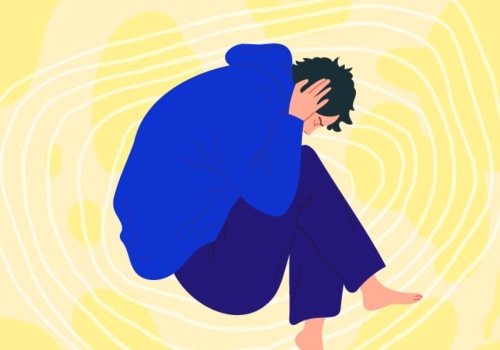
Personal wellness involves emotional health as well as physical habits. Individuals sometimes explore CBD when looking for ways to relax or manage everyday stress, but using a supplement as the primary strategy for persistent emotional concerns may overlook underlying issues. Healthy stress-management practices can include regular exercise, sufficient sleep, mindfulness, hobbies, social connection, and maintaining realistic daily schedules. If emotional difficulties begin interfering with relationships, responsibilities, or quality of life, professional support may be appropriate. Resources such as Cabot Psychological Services Minneapolis can provide psychological guidance as part of a broader approach to emotional and mental well-being. This type of support can help individuals develop sustainable coping strategies while evaluating lifestyle choices thoughtfully.
Making Safety a Priority
CBD can interact with certain medications, so individuals who take prescription drugs should speak with a qualified healthcare professional before using CBD. People with existing health conditions should also seek appropriate guidance, while pregnant or breastfeeding individuals should consult their healthcare provider. It is important to remember that “natural” does not necessarily mean harmless, and product labels may not always provide a complete picture of ingredients or cannabinoid content. Ultimately, exploring different CBD products should involve careful consideration of personal goals, product characteristics, quality, potential interactions, and available evidence. By combining informed decision-making with healthy lifestyle habits and professional guidance when needed, individuals can approach CBD as one potential component of personal wellness rather than viewing it as a universal solution.